
The “Full-Body Scan” Technique: A Non-Negotiable Routine
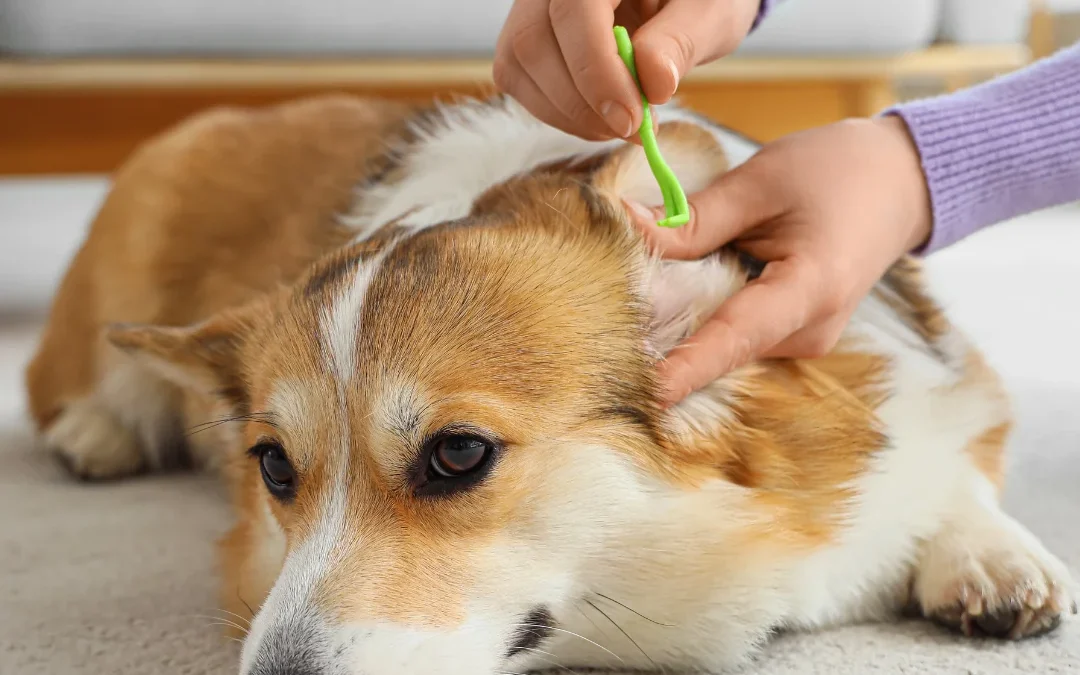
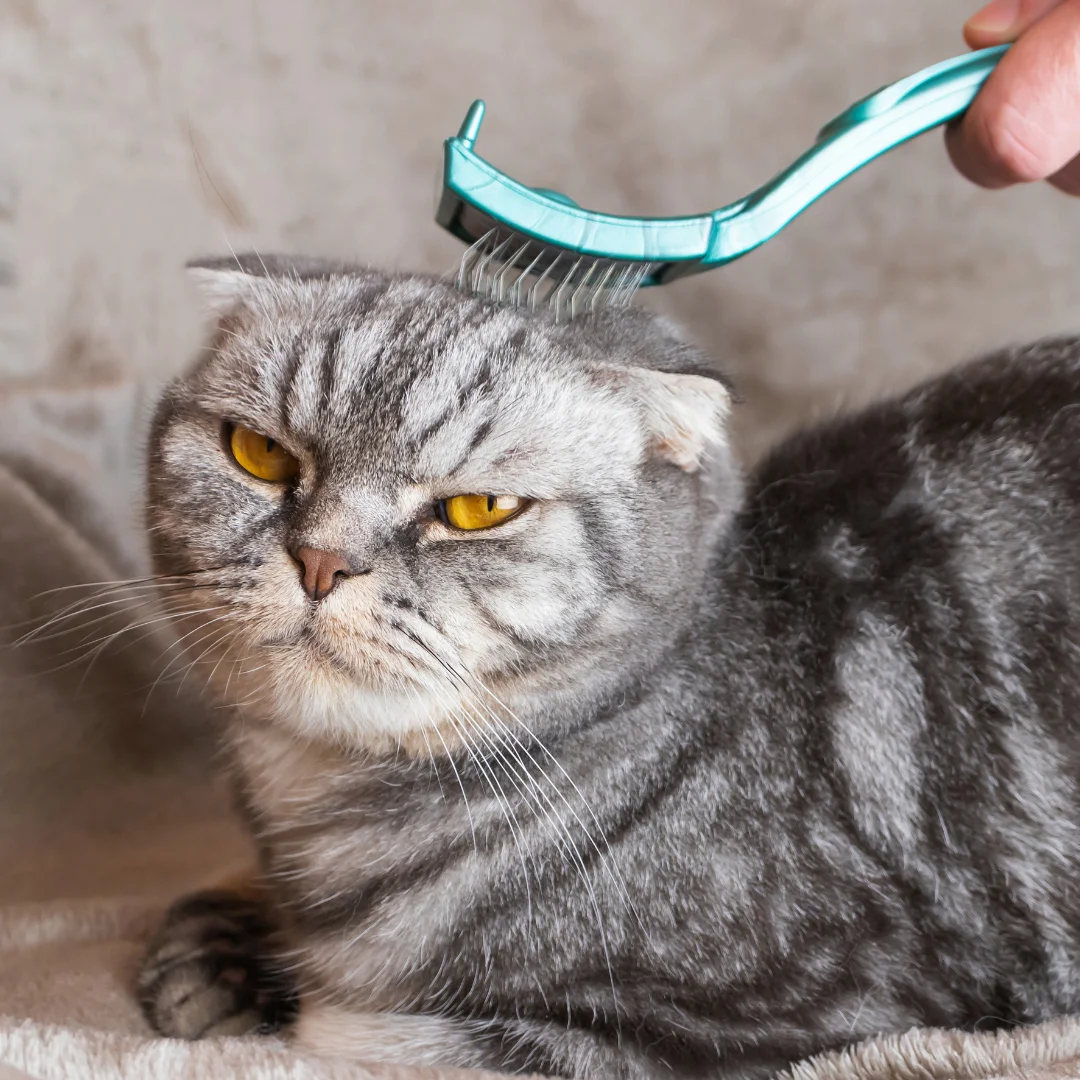
Relying solely on preventative medication is not sufficient when environmental exposure is at its peak. We highly recommend making a non-negotiable habit of the “post-walk” brush-down after every single outdoor session. Use a fine-toothed flea comb to navigate through their fur, paying special attention to the “hot zones” where pests prefer to hide. You must thoroughly inspect the ears (both inside the flap and behind), the warm, soft skin of the belly, and—crucially—the tight, often-overlooked webbing between the toes. If you find a tick, remove it promptly with high-quality tweezers, ensuring you grasp it firmly by the head rather than the body to prevent the mouthparts from remaining in the skin.
Our “Pest-Aware” Protocol: Professional Vigilance
After our daily walks, we perform a thorough physical assessment as part of our standard service. We do not just return your pet to their crate or rug; we gently wipe down their coat to remove loose debris, perform a tactile inspection for ticks, and check their ears and paws for any signs of irritation, redness, or insect bites. As professionals trained in Pet First Aid and CPR through Paws N Claws 911, our team is uniquely qualified to spot the early warning signs of illness or injury that might otherwise go unnoticed by a less attentive eye. We document every single visit with daily reports and GPS mapping, so you have total transparency and peace of mind knowing exactly when and where your pet spent their time, and that they received a full health check.