
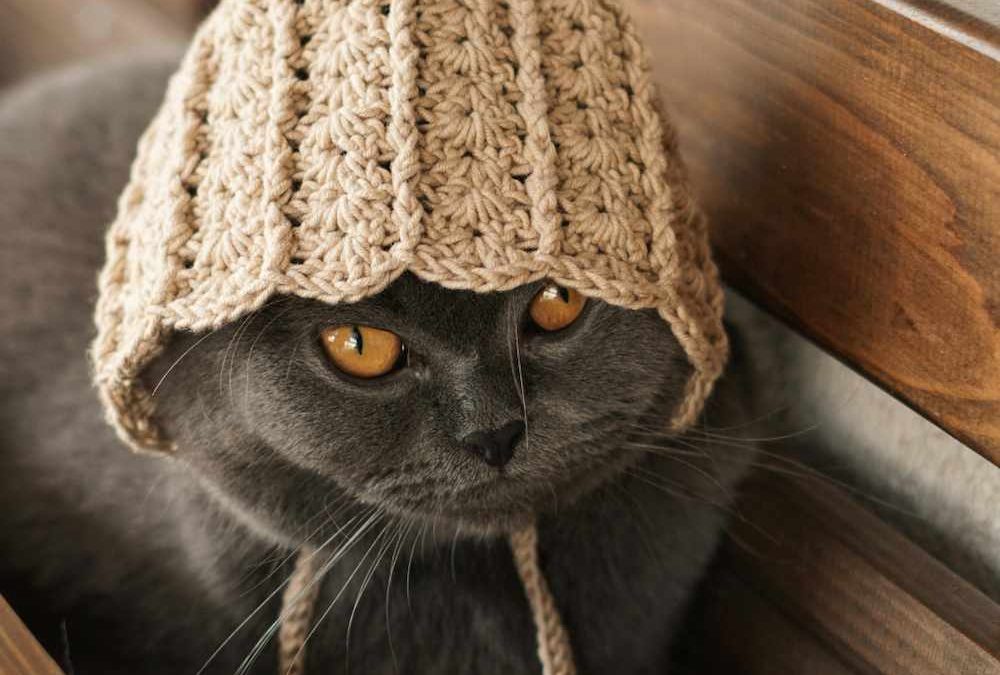
1. The “Winter Coat” Fallacy & Temperature Safety
A common misconception is that a pet’s fur is an all-access pass to the outdoors in sub-zero temperatures. While a Siberian Husky might thrive, most pets in our local neighborhoods need extra help.
- Know the Limits: When the temperature drops below 32°F small breeds, thin-coated dogs (like Greyhounds or Boxers), and senior pets should not be outside for more than 10-15 minutes without protection.
- The “Vested” Interest: Investing in a high-quality, water-resistant fleece or parka is essential. Look for gear that covers the base of the tail and the belly—the areas most susceptible to losing body heat.
- Dryness is Key: A damp dog is a cold dog. If your pet gets wet in the snow at Borderland State Park, towel them down or use a blow dryer on a “cool” setting immediately upon returning home.
2. Joint Health and the “Cold Ache”
Just like humans, pets with arthritis or joint issues feel the bite of a New England winter much more acutely. Cold weather can cause muscles to stiffen and joints to ache.
- Orthopedic Support: If your pet’s bed is on a hardwood or tile floor, consider moving it to a carpeted area or elevating it slightly to get it away from cold floor drafts.
- Low-Impact Exercise: When it’s too icy for a brisk run through Foxboro Common, focus on slow, controlled movements. Stretching exercises or light indoor “doggy yoga” can help keep joints lubricated without the risk of slipping on black ice.
- Supplementation: Consult your vet about adding Omega-3 fatty acids or Glucosamine to their winter diet to support joint fluid health.
3. Home Environment: Humidity and Hazards
Our homes in the Easton and Mansfield areas are often sealed tight against the wind, which creates its own set of challenges.
- The Dry Air Dilemma: Forced-air heating saps the moisture from the air, leading to dry, itchy skin and “static shock” for your pets. Using a humidifier can help keep their skin hydrated and their nasal passages clear.
- Space Heater Safety: If you use space heaters, never leave them unattended with a pet. A wagging tail can easily knock one over, and curious cats may get too close to the heating element, resulting in singed fur or burns.
- Carbon Monoxide: With furnaces running overtime, ensure your CO detectors are functioning. Pets are often affected by carbon monoxide poisoning faster than humans due to their smaller size.
4. Hidden Winter Toxins
Beyond the obvious rock salt, January brings other chemical hazards into our local garages and mudrooms.
- Antifreeze (Ethylene Glycol): This is the most lethal winter toxin. It has a sweet taste that dogs and cats love, but even a teaspoon can cause fatal kidney failure. Switch to “pet-safe” antifreeze (propylene glycol) if possible, and always scrub away any neon-colored puddles in your driveway.
- Rodenticides: As mice seek warmth indoors, many homeowners put out poisons. These are just as deadly to your pets as they are to pests. Always use pet-safe exclusion methods (like sealing cracks) instead of baits.
5. Hydration: The Forgotten Winter Essential
We often worry about hydration in the humid July heat, but it’s just as vital in January.
- The “Snow-Eating” Myth: Don’t let your dog rely on eating snow for hydration. Snow is mostly air and can contain hidden salt or chemicals.
- Fresh & Flowing: Ensure your pet has access to clean, room-temperature water at all times. If you have an outdoor “catio” or shelter for community cats, use a heated bowl to prevent the water from turning into a block of ice.
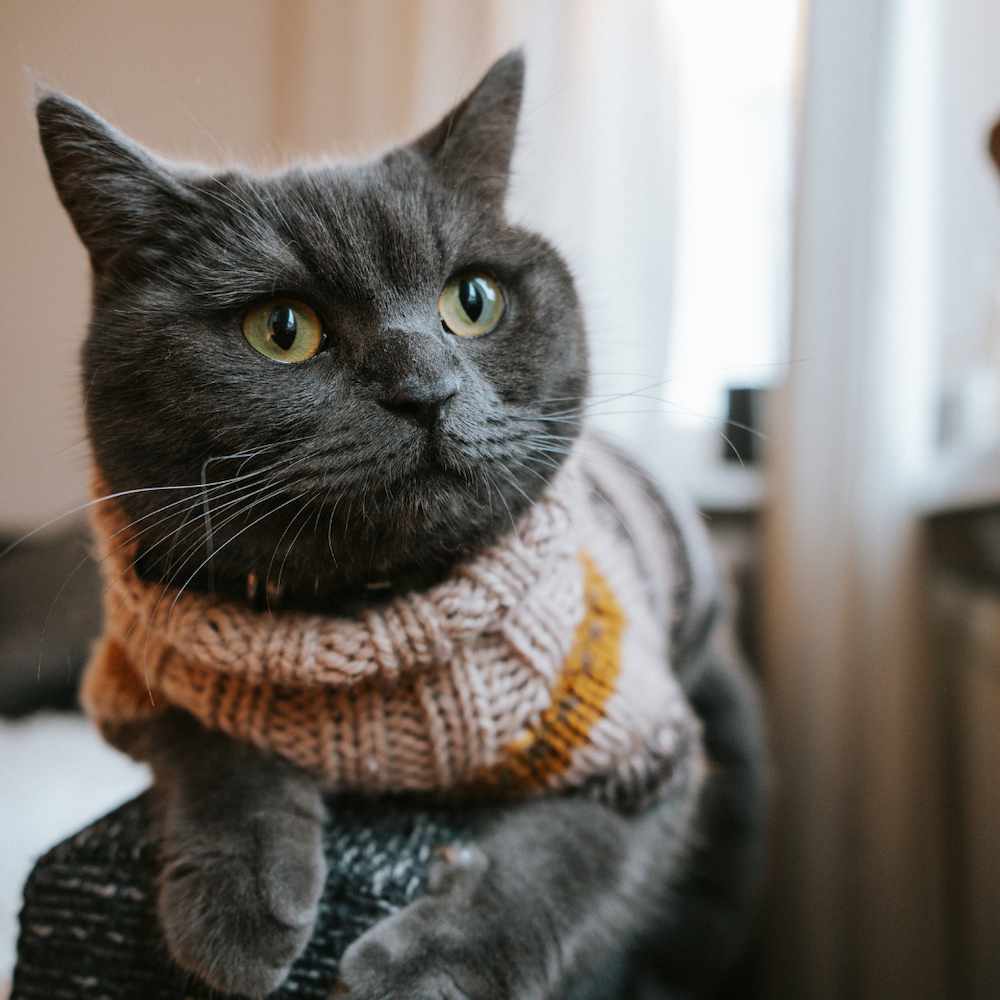
The BEST IN CLASS Commitment to Wellness
At BEST IN CLASS PET SITTING, we are more than just a dog walking service. We are an extra set of eyes and ears for your pet’s health. During our visits in Easton, Mansfield, and Foxboro, we monitor:
- Hydration Levels: Making sure bowls are clean and full.
- Paw Integrity: Checking for salt burns or ice damage.
- Behavioral Shifts: Noting if a pet seems stiffer or more lethargic than usual due to the cold.
We believe that every pet deserves “Best In Class” care, especially during the toughest months of the year. If you’re worried about your pet getting enough movement or staying safe while you’re at work this winter, give us a call!