
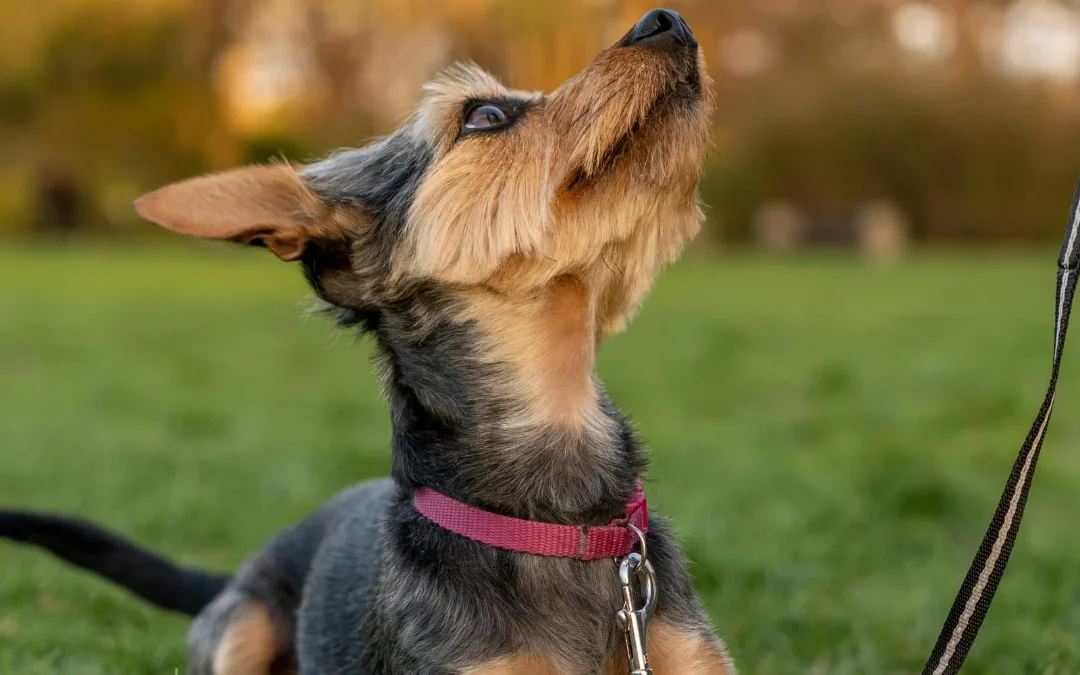
While we admire the blooming lilacs and the vibrant return of lush green lawns, our pets are literally nose-deep in the season’s most potent allergens. In May, the “pollen count” isn’t just a number on the morning news; it’s a physical challenge for your pet’s skin, eyes, and respiratory system. Because dogs and cats carry their “filters” (their fur) through the grass, they act like biological magnets for the very things that make humans sneeze.
The Anatomy of a May Allergy
Unlike humans who primarily deal with watery eyes and runny noses, a pet’s allergic reaction often manifests through their skin. This leads to several specific behaviors that owners might mistake for simple boredom or “obsessive” grooming:
The Paw-Licking Paradox:
If your dog is obsessively licking their feet after a walk, they aren’t just cleaning up. They are likely dealing with “contact dermatitis.” Every step through a May meadow coats their paw pads in microscopic irritants that cause an intense, prickly itch.
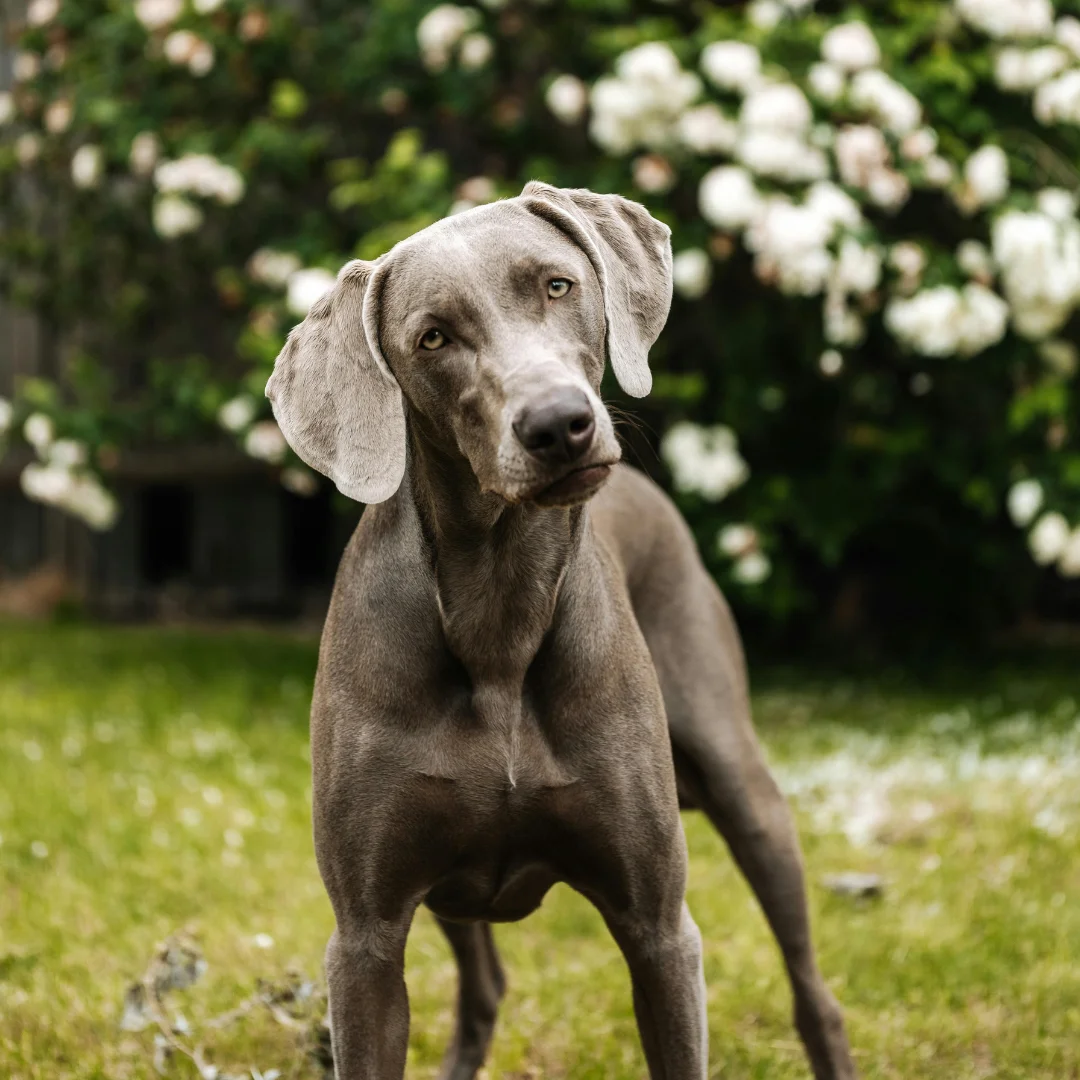
The “Reverse Sneeze” Scare:
It’s the sound that sends many owners sprinting for the phone—a sudden, alarming, rhythmic honking. This is often a reverse sneeze, triggered by May’s airborne irritants hitting the soft palate. While usually harmless, it’s a clear sign that the air quality is affecting your pet.
The Coat “Dandruff” Flare-Up:
Dry, flaky skin in late spring is often the result of the body’s inflammatory response to environmental triggers, not a lack of baths.
Our “Pollen Purge” Protocol
We don’t just walk your dog; we manage their environment. During our May visits, we implement a strict post-walk routine to keep the “outdoors” from coming “indoors.” We use hypoallergenic, pH-balanced wipes to perform a “Paws, Belly, and Britches” wipe-down. By removing these microscopic allergens before your pet has a chance to lick them or track them onto your sofa, we significantly reduce the risk of secondary skin infections and “itch cycles” that lead to costly vet visits.