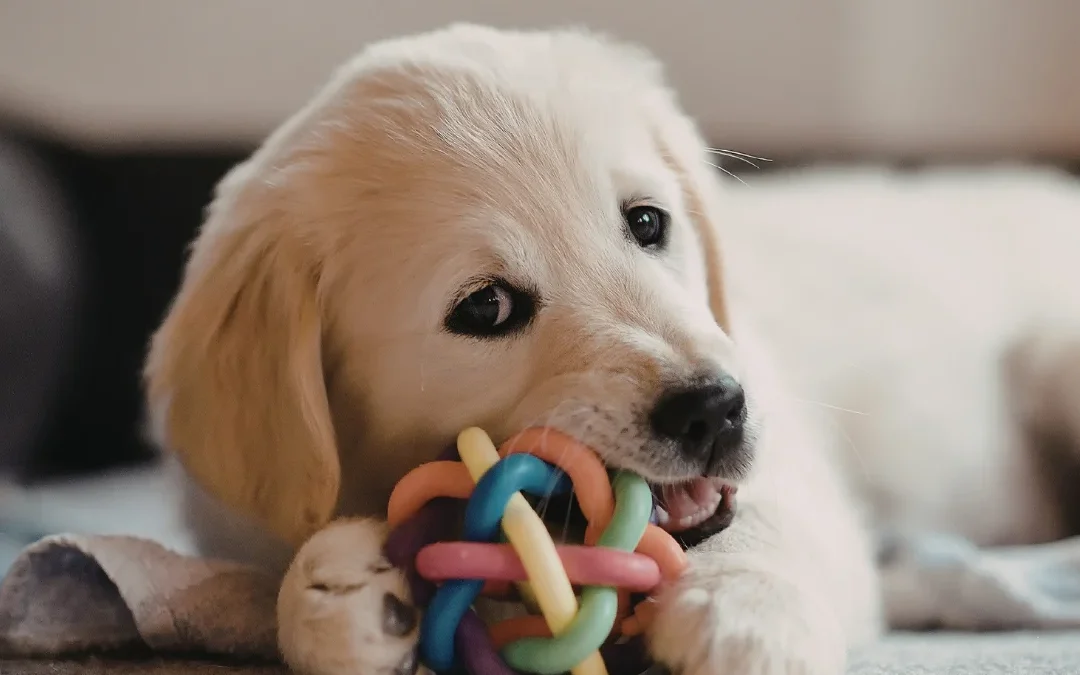
We’ve all been there: opening the windows to let in the fresh April breeze, scrubbing the baseboards, and deep-cleaning the carpets. But while we’re sanitizing our living spaces, one area often stays “hidden in plain sight”—the toy box. To a dog or cat, a favorite plushie is a prized possession. To a microbiologist, it’s a petri dish. Moisture from saliva combined with the warmer spring air creates a “biofilm”—a slimy layer of bacteria and fungi that can lead to bad breath, dental issues, or even upset stomachs.
The “Toss or Treat” Safety Checklist
Not every toy is meant to be a lifelong companion. As you do your spring cleaning this month, look for these “Red Flags” in the toy bin.
The “Stuffing Leak”:
Once a plush toy has a hole, it’s no longer a toy—it’s a choking hazard or a potential intestinal blockage.
The “Fray Factor”:
Rope toys that are unraveling can shed long strings. If swallowed, these can cause “linear foreign bodies,” which are surgical emergencies.
The “Crack & Snap”:
Hard rubber toys that have become brittle over the winter can snap into sharp shards, damaging gums or teeth.
The Best-In-Class Cleanliness Standard
We believe a clean environment is a happy environment. Here is how we help keep the germs at bay:
Smart Toy Rotation:
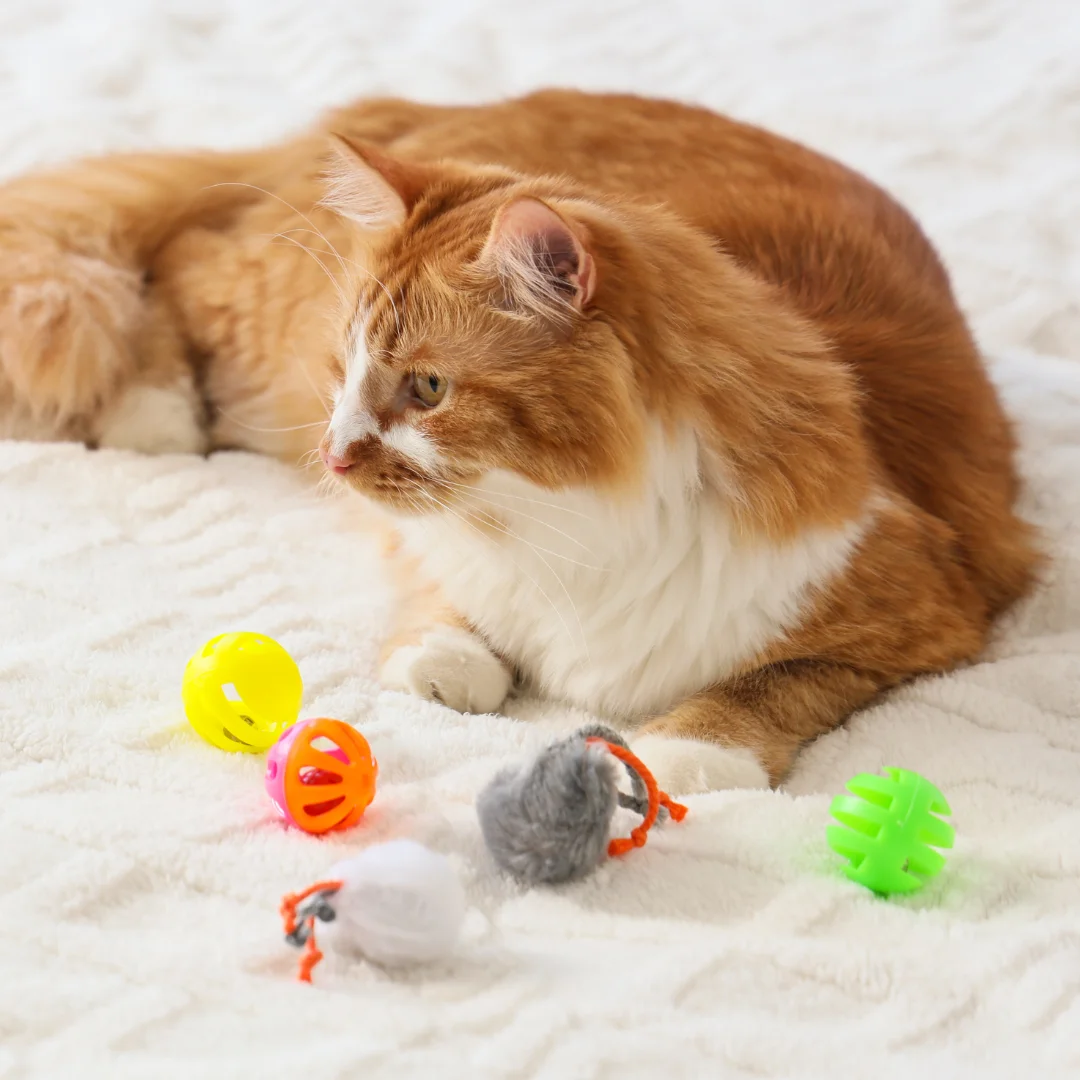
We don’t just throw everything back in the bin. We suggest “toy rotation”—keeping only a few items out at a time. This keeps toys “new” and exciting while making it easier for you to sanitize the rest.
The “Safety Sweep”:
Part of our professional sitting service is a keen eye for hazards. If we notice a toy has become dangerously frayed during a play session, we’ll set it aside and let you know immediately.
Hydration Hygiene:
We ensure that water bowls are refreshed and scrubbed during every visit, preventing the buildup of algae and bacteria that can flourish in the spring sun. Let us handle the small details while you enjoy your freshly cleaned home!